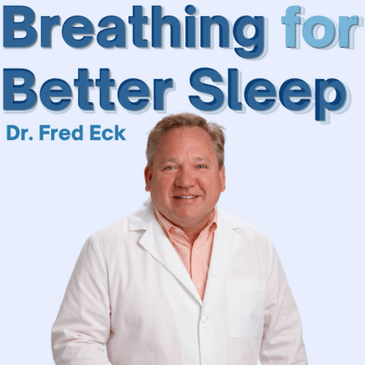
Welcome to "Breathing for Better Sleep," where we break down the science and real-life stories behind transformative sleep. In this episode, host and sleep expert Dr. Fred Eck to explores a powerful, yet often overlooked connection: how the quality of your sleep, especially deep and REM sleep, may protect your brain against dementia, memory loss, and long-term cognitive decline.
You’ll learn why fragmented sleep and snoring are more than just nighttime nuisances, how airway issues silently undermine your brain health, and why even "mild" sleep apnea deserves real attention, not dismissal. Dr. Fred Eck debunks common myths about sleep testing, reveal the dangers of ignoring subtle sleep problems, and share practical warning signs to look out for, whether you’re a parent worried about your child or an adult seeking better focus, clarity, and well-being.
If you’ve ever wondered why you still feel tired despite "sleeping through the night," or how something as simple as proper breathing can change your health, this episode is for you. Stay tuned for powerful stories, actionable insights, and a whole new understanding of why great sleep is essential for a resilient, healthy brain.
00:00 "Dementia, Sleep, and Cognitive Health"
06:32 Deep Sleep and Brain Health
08:17 Airway Collapse Disrupts Restorative Sleep
12:47 "RERAs Impact Sleep, Not AHI"
17:17 "Sleep Disorders Require Testing"
18:58 "Early MRI Signs of Dementia"
22:49 Sleep Issues and Test Results
26:49 "CPAP's Impact on Deep Sleep"
29:28 Airway Problem Warning Signs
32:46 "Airway Issues and Sleep Disorders"
35:18 "Understanding Quality Sleep"
37:50 Better Breathing, Better Life
The Silent Sleep Crisis: Why Deep Sleep Protects Your Brain for Life
Have you ever wondered if your nightly rest is truly restoring your brain or quietly putting it at risk? In the latest episode of “Breathing for Better Sleep,” host and sleep expert Dr. Fred Eck for a conversation that could change the way you think about beds, breathing, and your long-term health.
Deep Sleep: The Brain’s Silent Guardian
We often think of dementia or memory loss as just an inevitable part of aging or an unlucky genetic draw. But, as Dr. Fred Eck highlights, research is showing a powerful, often-ignored factor: deep sleep. This stage isn’t just about feeling refreshed in the morning. During deep sleep, your brain “cleans house” literally flushing out toxic proteins like amyloid and tau, which have been linked to Alzheimer’s and other dementias.
Most shockingly, Dr. Fred Eck shares that nearly 90% of patients with Lewy body dementia have a sleep disorder, and almost half of all Alzheimer’s patients do as well. “If your airway isn’t stable, you may not be getting enough deep sleep,” he cautions. In other words: fragmented, poor-quality sleep isn’t just making you tired, it could be quietly affecting your memory, focus, and mental clarity for years to come.
It’s Not Just Sleep Apnea
Sleep apnea gets a lot of attention, but Dr. Fred Eck is quick to point out that it’s just part of the puzzle. Other sleep-disrupting disorders, like upper airway resistance syndrome or even mild, often-ignored forms of apnea, can have the same devastating effects on the stages of sleep most crucial for your brain’s nightly tune-up.
The traditional way of diagnosing and measuring sleep problems (the so-called “AHI” score) is, according to Dr. Fred Eck, pretty much “useless” when it comes to predicting real brain risks. Instead, the real numbers to watch are how much time you spend in deep and REM sleep, and whether your oxygen levels stay healthy all night long.
Micro-Arousals: The Threat You Can’t Feel
One of the most surprising insights? You can “sleep” for 8–10 hours and still wake up unrefreshed, foggy, and emotionally brittle if your brain is being constantly nudged awake by tiny, often-unnoticeable interruptions called micro-arousals. Anything from snoring to “RERAs” (subtle breathing disturbances) can keep you out of the stages of sleep that protect your brain.
Dr. Fred Eck compares ignoring common signs like snoring to ignoring stage one cancer: “If you snore, you should have a sleep test done.” But he’s just as clear, absence of snoring doesn’t mean you’re in the clear. Many airway and sleep issues are silent, especially in children, leading to hidden deficits that may not show up until the demands of adulthood hit.
Why Fixing Your Breathing Fixes Your Brain
Here’s the hopeful news. Dr. Fred Eck has seen countless patients regain memory, focus, and even emotional balance simply by treating underlying sleep and breathing issues. For both children and adults, improvements in sleep quality can mean better test scores, sharper focus, fewer symptoms of anxiety or depression, and new energy for life, sometimes within weeks.
But not every treatment is created equal, and a CPAP machine (the go-to solution for sleep apnea) may sometimes lower the official numbers while not truly improving deep sleep or eliminating brain risks. “Successful treatment means getting restorative, uninterrupted sleep,” Dr. Fred Eck flatly says, not just hitting an insurance-based metric.
Final Takeaways: Listen to Your Sleep (and Your Children’s!)
If you’re experiencing daytime fatigue, brain fog, irritability, or forgetfulness, it’s not just your schedule or stress. It’s time to take your sleep health as seriously as your annual checkups. Dr. Fred Eck urges proactive sleep testing, especially if you snore, wake up tired, or show other subtle signs like teeth grinding, restless legs, or needing multiple bathroom trips overnight.
Sleep is critical. Don’t normalize exhaustion. “Deep sleep isn’t just about rest, it may literally be protecting how you think, remember, feel, and function for the rest of your life,”. Take your brain’s nightly cleaning crew seriously, and you may just change your life’s trajectory.
For more insights and screening tools, visit sleeptreatmentdirect.com, and never ignore the signs your body is giving you.
Podcast Website - https://breathingforbettersleep.com/
Dr. Fred Eck - Website - https://sleeptreatmentdirect.com/dr-fred-eck/
Podcast Media Partner: TopHealth - https://www.tophealth.care/
“Disclaimer: Informational only. Not medical advice. Consult your doctor for guidance.”